
There are some new threads in town and it’s exciting to see them on catwalks and sidewalks — organic and sustainable fibers are the only way to go, whether we fashion our own clothes or buy off the rack.
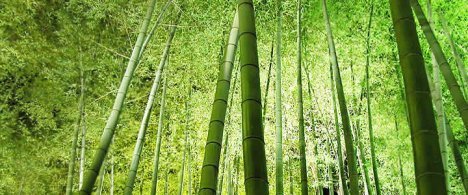
#bamboo – one of the most sustainable fibers made. It can grow like wildfire, without pesticides or fertilizers. Formed from the pulp of the plant, this softy has wonderful anti-bacterial properties, wicking away sweat to keep us dry, we stay cool in summer and warm in winter. The folks at alternative consumer put together this list for us.
#hemp – one of the most durable natural fibers on the planet, and versatile. It requires no pesticides or synthetic fertilizers, is harvested and processed by hand, and produces 2-3 times more fiber per acre than cotton.
# ingeo – a versatile, man-made fiber rom renewable corn.
# jute – a glossy fiber from a plant. Most often used to make: sacks, rope, twine.
# lyocell – from wood-pulp, 100% biodegradable. Look for garments manufactured in US or Europe if you have Multiple Chemical Sensitivities , ref: here.
# nettle – a coarse, wild herb that’s naturally moth-repellent.
# organic cotton – uses no harmful chemicals; supports biodiversity, healthy ecosystems, improves soil quality and often uses less water than conventionally grown cotton. It has a longer growth cycle, requires more skill and costs more than conventionally-grown cotton – but it’s worth it. Organic cotton farming practices are so much healthier for farmers and the planet & organic cotton feels fantastic on our bodies!
# organic linen – extremely durable, made from the flax plant, grown without pesticides or herbicides.
# polar fleece, Polartec and POP – made from recycled soda pop bottles.
# ramie – from a plant, native to eastern Asia. 3 to 5 times stronger than cotton, it’s extremely absorbent and dries quickly, and has been cultivated for the past 6000 years, is often mistaken for linen.
# sasawashi – a blend of Japanese paper and kumazasa herb, resembles linen. Has anti allergen & anti bacterial properties.
# seacell – contains Lyocell. A cellulose- (the natural polymer that makes up the living cells of all vegetation) and seaweed-based fiber, with anti bacterial properties.
# silk – look for cruelty-free silk which allows wild and semi-wild wilkworms to emerge from their cocoons before the silk is harvested, rather than killing them.
# soy – from the residue of soybeans from tofu manufacturing, soy proteins are woven into a light, cashmere-like material that drapes softly over your body and has a bit of stretch.
# Tencel – a brand name for a type of Lyocell, extracted from sustainably harvested wood pulp; lightweight and wrinkle-resistant. Look for garments made in US and Europe if you have Multiple Chemical Sensitivities
eco friendly reminders: DWH —
Donate your pre-loved threads, Wash in eco-friendly cleansers and Hang-dry as you hang with your friends or plants.



Leave a Reply